
The Rhythm of Life: A Non-Linear Map for Becoming
the problem with straight lines
Most of us have been trained to live like life is a straight line.
Set the outcome. Make the plan. Stay consistent. Improve yourself. Keep going. If you fall off, you start again, usually with a layer of shame attached.
That logic works well for machines, but not for bodies, relationships, creativity, grief, desire, parenting, leadership, land, seasons or the strange truth of being human.
A straight-line approach assumes you should be basically the same person every day, able to apply the same energy, the same focus and the same emotional capacity regardless of what’s happening inside you or around you. It treats rest as a problem to solve, and it treats change as a threat to consistency.
It also sets people up to feel like they are failing when they are simply moving through a natural downshift.
If you’ve ever wondered why “self-improvement” starts to feel like self-surveillance, this is often why. You’re trying to force a living system to behave like a fixed timeline.
The Rhythm of Life Map is my way of naming what most people already know in their bones.
Life moves in cycles. Not as a cute idea, but as a practical truth. There are phases of rising and phases of lessening. Times of outward energy and times of inward repair. Times when you can build, and times when building will cost you more than it gives.
The map doesn’t ask you to master it.
It asks one question: where am i right now?
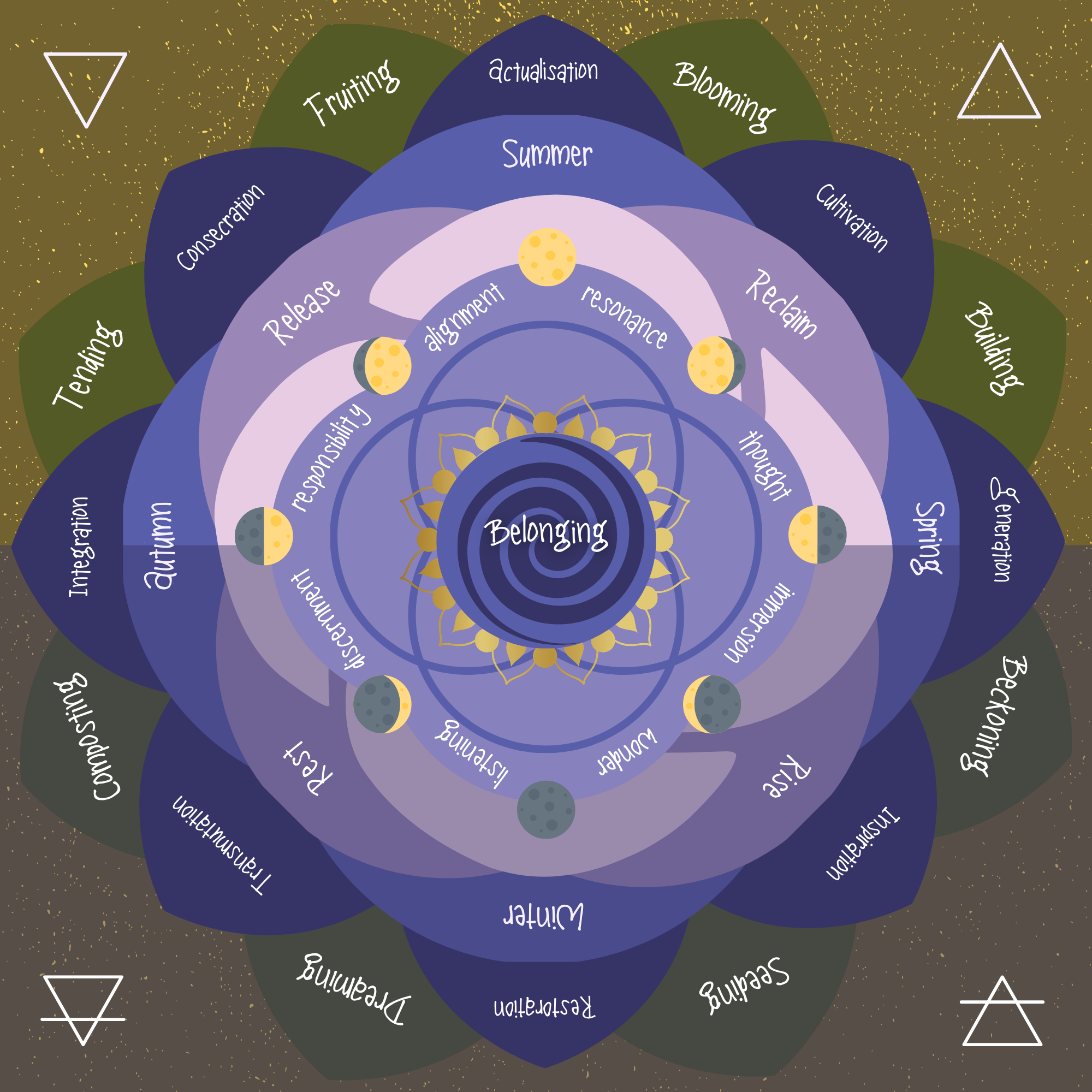
rhythm is not a method, it’s a remembrance
The Rhythm of Life Map is a circular rhythm-based guide, not a fixed calendar or a linear timeline. It reflects phases of growth, rest, release and renewal that appear in nature, in your body, and in your creative and emotional life.
You can enter the map at any point. The invitation isn’t “follow the steps correctly.” It’s “tell the truth about where you are.” That alone changes a lot.
Because once you can locate yourself, you can stop trying to force a phase you are not in.
This is also where rhythm becomes a direct alternative to output culture. When you live by rhythm, you’re not trying to squeeze the same performance from yourself every day. You’re learning how to move with the rise and fall of your own system, and how to make choices that create sustainability instead of collapse.
In the southern hemisphere, we can track the flow of the map moving anti-clockwise in harmony with the path of the sun. Light rises, peaks, wanes, then returns through the deeper quiet of the south.
This isn’t about becoming a person who never struggles. It’s about becoming a person who can meet struggle without treating it as failure.
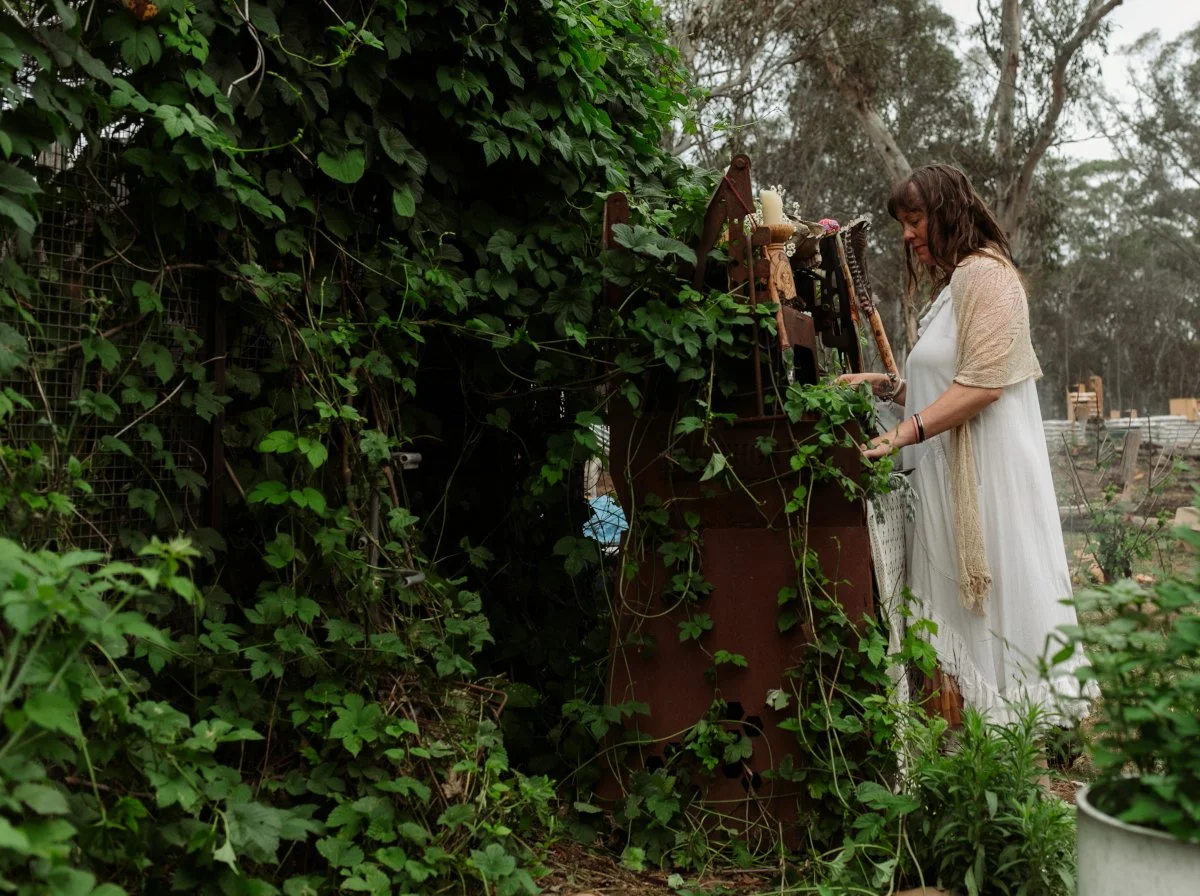
the 8 spokes of the wheel
The wheel is made of eight phases. You will move through them again and again across different layers of life: a day, a month, a season, a relationship, a creative cycle, a career arc, a healing arc, a whole decade.
You don’t graduate from these phases. You deepen into them.
🪷 seeding
The origin. The whisper before something has form. A spark, a hint, a toned yes. In life this can look like: early desire, a new question, a tiny vision, a subtle shift in the way you want to live.
🌱 beckoning
The call. The first movement. Curiosity turns into action. In life this can look like: experimentation, gathering information, trying a new practice, making one small change that signals a new direction.
🌤️ building
The shaping. Commitment begins to matter. Choices get clearer. In life this can look like: boundaries, structure, devotion, the unsexy work of making something real, the moment you stop dabbling and start building.
🌷 blooming
The apex of visibility. Expression, emergence, aliveness. In life this can look like: being seen, speaking, sharing, releasing, leading, celebrating, receiving feedback, letting yourself take up space.
🍎 fruiting
The reckoning and the harvest. What did this produce? What is worth keeping? In life this can look like: reflection, sharing, gratitude, selection, honest inventory, letting the results teach you.
🧺 tending
Integration and responsibility. Care over time. In life this can look like: maintenance, simplification, ongoing stewardship, healthy repetition, refining what works and repairing what doesn’t.
🍂 composting
The shedding. The ending. The breakdown that becomes fertile. In life this can look like: grief, surrender, clearing out what is complete, cutting cords, telling the truth about what no longer fits.
✨ dreaming
The pause. The void. The deep restoration that makes the next cycle possible. In life this can look like: sleep, quiet, deep rest, stillness, not knowing, the kind of recovery that isn’t a reward, it’s a requirement.
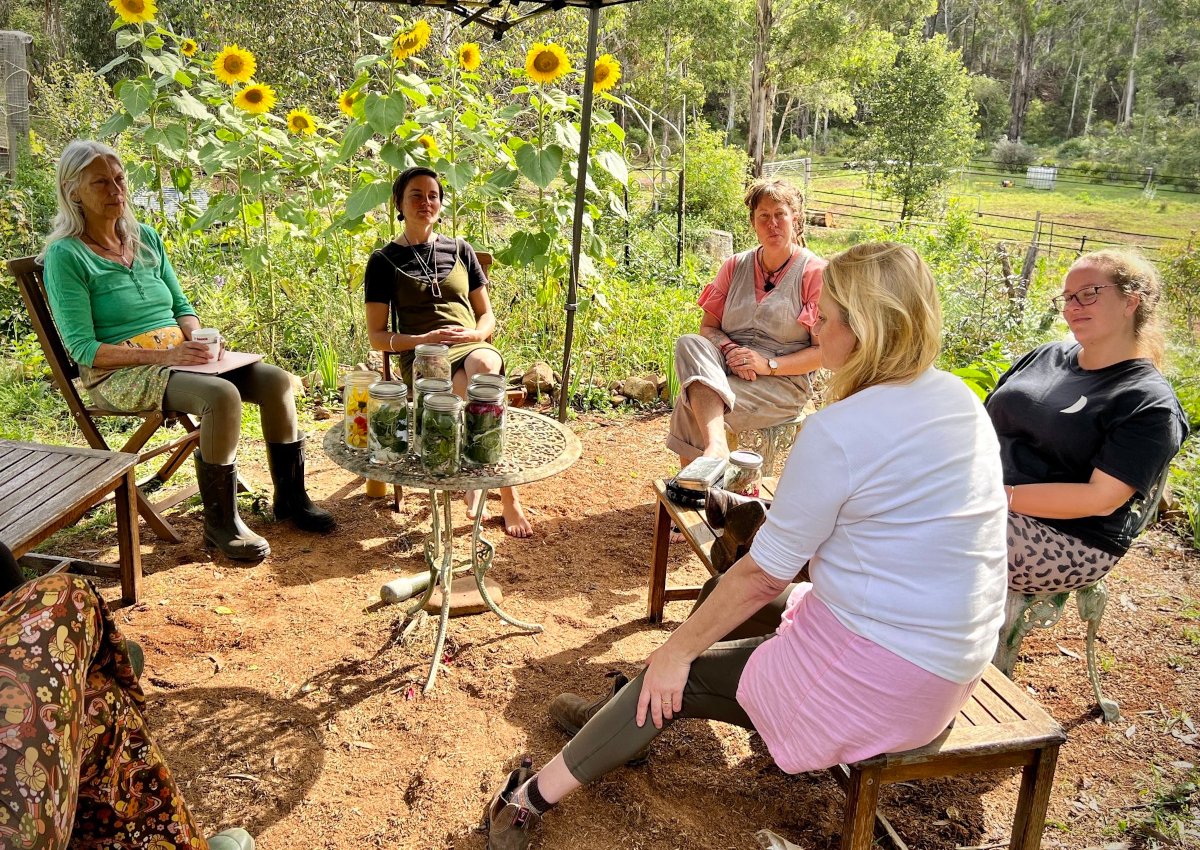
how rhythm changes everyday life
This is the part that matters. The map isn’t something you admire. It’s something you use.
Here are simple ways it changes life on the ground.
you stop arguing with your energy
If you are in dreaming or composting, you stop trying to force blooming. You don’t make yourself wrong for needing less. You adjust the expectations, the calendar and the internal story.
you learn the difference between “i need rest” and “i need structure”
Sometimes you are exhausted because you are overextended. Sometimes you are exhausted because you have no scaffolding. Building doesn’t always mean doing more. Sometimes it means creating a cleaner container so you stop leaking energy.
you stop using “consistency” as a weapon
There are phases where repetition is nourishing and phases where repetition is numbing. Rhythm gives you permission to change without making yourself unreliable.
you can name what phase your relationship, work or creativity is in
A project in seeding doesn’t need pressure, it needs protection. A project in fruiting needs honesty and selection. A relationship in tending needs care, not drama. A relationship in composting needs truth.
you can plan without forcing a fixed timeline
This is where your “target” language fits perfectly. The map gives you a way to aim without locking yourself into a single outcome. You can move, realign, refocus and aim again without calling it failure.
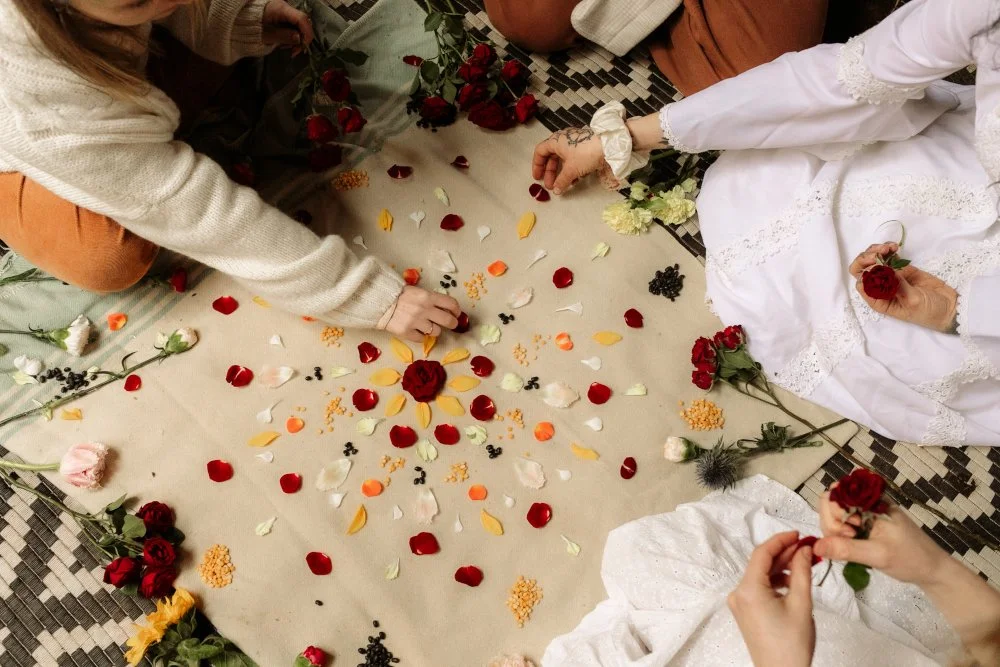
three ways to work with the map immediately
You don’t need to study for months before it helps. Start small.
1 the daily question
Ask once a day: where am i in the rhythm today? Answer it without judgement. Let that answer shape what you attempt, what you postpone, and what you ask for.
2 track one thread for three months
Pick one thing that matters and track it gently: energy, sleep, cravings, creative drive, mood, desire, relational capacity. Data doesn’t replace intuition, but it can help you see pattern instead of guessing.
3 plan in phases, not in pressure
Instead of trying to make every week identical, give your life different kinds of weeks. A building week. A blooming week. A tending week. A composting week. Even naming it changes what you demand from yourself.

what this makes possible
The map won’t tell you what to do. But it will show you where you are. And from there, you can choose your next step in rhythm, not in self-improvement panic.
Most people don’t need more strategies. They need orientation. They need a way to locate themselves that doesn’t collapse into shame the moment they hit a trough.
If rhythm calls to you, begin with one honest check-in. If you want a living place to practise this with others, the membership a rhythm of her own holds the map as a lived, ongoing framework rather than a concept you try to remember on your own.
If you want to go deeper with this map, A Rhythm of Her Own is where we practise it as a lived rhythm, not a concept. We meet the seasons and the moon, track the patterns that shape your energy and choices, and keep returning to the simple question that changes everything: where am i in the rhythm, and what would it mean to meet that honestly. You can find out more about a rhythm of her own here.
