
Anatomy of a Women’s Circle
Archetype, Containment and the Psychological Architecture of Ritual
When women gather in circle, something more than conversation begins.
It’s not therapy. It’s not friendship. It’s not performance. It’s a structured, symbolic container where personal story meets shared myth, and where individual nervous systems regulate inside a collective field.
A well-held circle doesn’t rely on aesthetics. It relies on architecture.
What follows is not a romantic retelling of a ritual evening. It is an anatomy lesson. A look at how archetype, containment and psychological process move beneath the surface of what can look, from the outside, like simple gathering.

The Container: Why Structure Comes First
Before archetype, before storytelling, before emotion, there is containment.
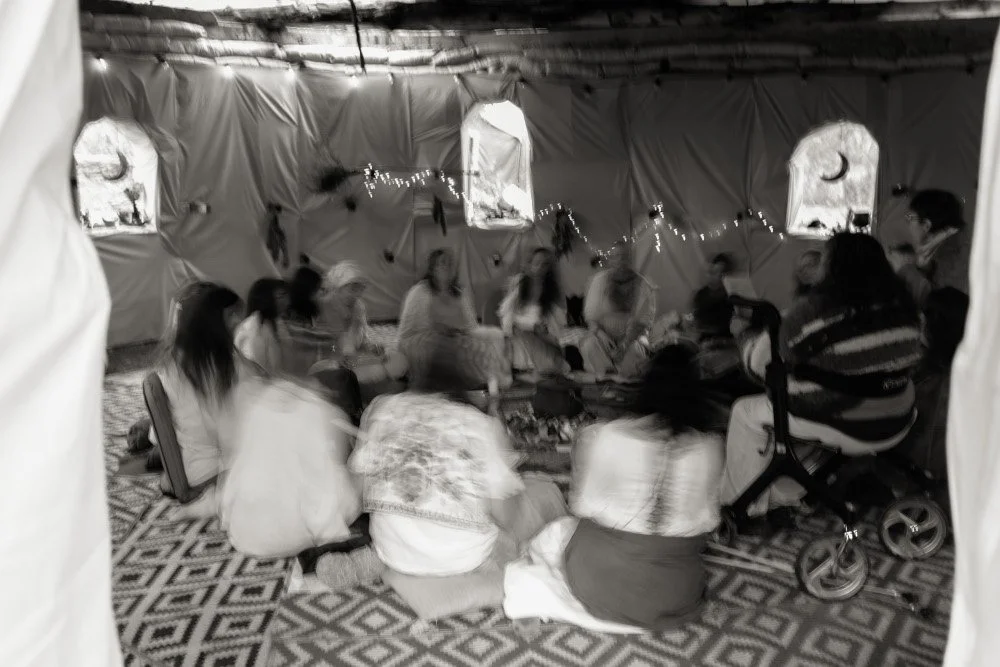
A circle is not simply women sitting in a room. It’s a deliberate boundary. Time is marked. Agreements are named. Confidentiality is explicit. The facilitator holds the perimeter so that participants do not have to.
Without containment, vulnerability becomes exposure. With containment, vulnerability becomes metabolised experience.
This is where many informal gatherings falter. When there’s no structure, the group can drift into emotional enmeshment, advice-giving, trauma dumping, or subtle hierarchies of who is “more evolved.” A well-designed circle interrupts that drift. It keeps the focus on witnessing rather than fixing, on reflection rather than rescue.
Containment is not restriction. It is the bowl that allows depth without collapse.
Archetype as Psychological Mirror
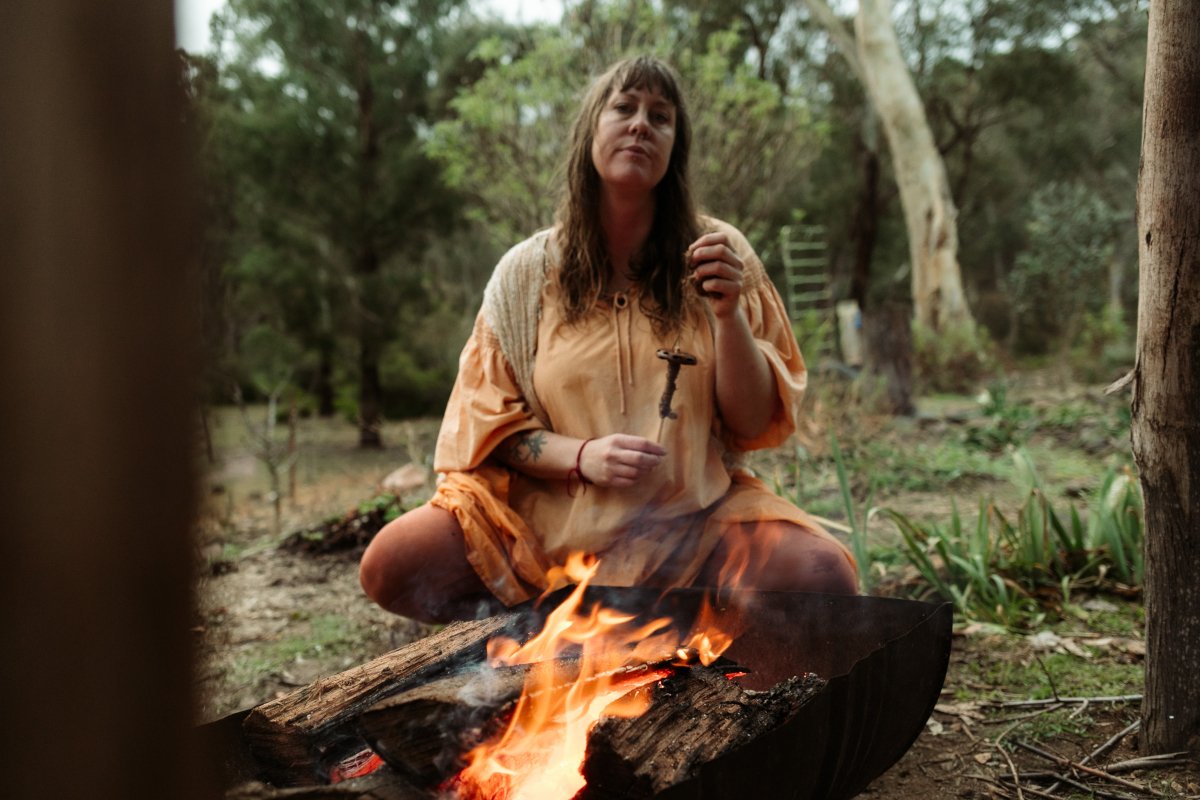
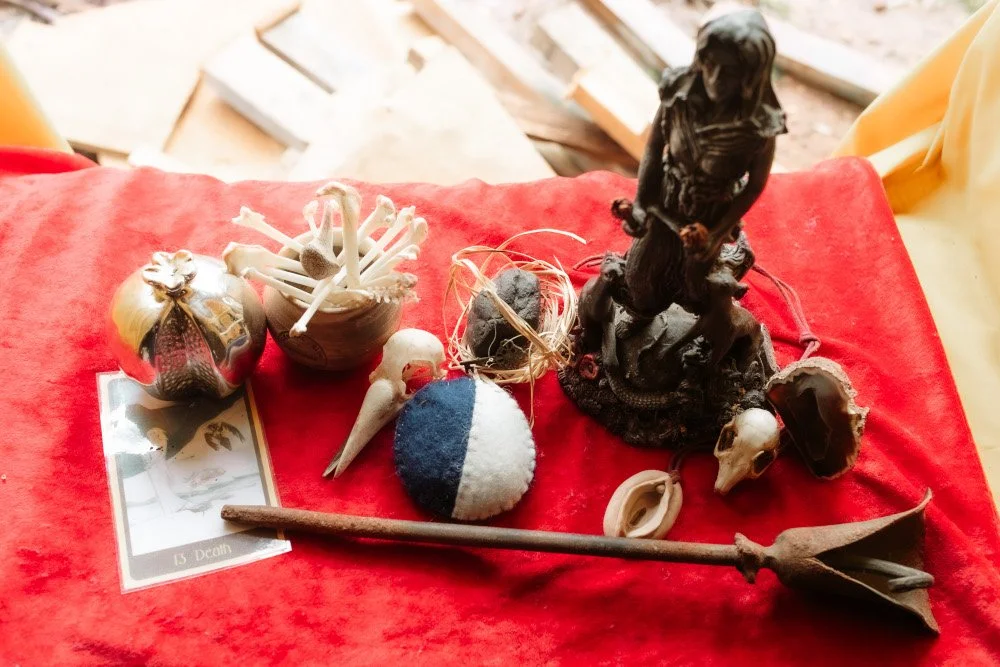
I once held a Circle under the Full Moon, where we moved through a sequence of archetypal encounters. Hera. Lilith. Ariadne. Grandmother Moon.
These are not characters to be worshipped. They’re mirrors.
When Hera enters a circle, she doesn’t come as the jealous wife of late patriarchal storytelling. She arrives as sovereignty. As feminine authority without apology. For many women, meeting Hera reveals inherited distortions about power. The internalised belief that leadership must be hard, defensive or competitive. The circle becomes a place to disentangle those distortions and remember power as relational rather than punitive.
When Lilith enters, she represents exile. The part of the self that left in order to belong. In psychological language, she carries the disowned material, the impulses disciplined out of a girl who learned quickly what was acceptable. Inviting Lilith into a circle is not about rebellion for its own sake. It’s about safely contacting the vitality that was once labelled “too much.”
Ariadne, the weaver, guides women through labyrinthine self-reflection. She represents pattern recognition. The capacity to trace threads through memory, behaviour and relational repetition. In myth she offers a thread to navigate the Minotaur. In circle, she symbolises the development of internal orientation so that shadow material can be approached without fragmentation.
Archetype allows women to speak indirectly about what is too raw to name directly. It provides distance without dissociation. Myth becomes a bridge between personal narrative and collective pattern.
The Nervous System Beneath the Ritual
From the outside, ritual can look theatrical. From the inside, it’s regulatory.
When women sit in a circle with shared agreements, when they breathe together, sing together, or move in synchrony, the autonomic nervous system shifts. Social engagement circuits activate. The body registers cues of safety through tone of voice, eye contact and rhythm.
Collective regulation is not mystical. It’s biological.
When a woman speaks a truth and is met with steady witnessing rather than interruption, her system learns something new. The story does not have to be carried alone. This is how shame softens. Not because it is analysed, but because it is held in a field that does not recoil.
A circle that understands this does not push catharsis. It does not seek dramatic breakthrough. It honours pacing. It allows activation and settling. It recognises that transformation without integration is destabilising.
Ritual, when structured well, becomes a slow recalibration of how it feels to be seen.
Lineage and the Collective Field
Working with a figure like Grandmother Moon is not about fantasy ancestry. It’s about symbolic lineage. The psychological need to feel that we belong to something larger than our individual biography.
Many women arrive in circle carrying isolation. The belief that their struggles are personal failures rather than patterned experiences shaped by culture and history. When a circle names lineage, it reframes suffering. It situates individual pain within collective context.
This doesn’t erase responsibility. It restores proportion.
To remember oneself as part of a longer human story is stabilising. It reduces the pressure to solve everything alone.
What Makes It Ethical
Myth without containment can become manipulation. Emotion without structure can become harm. Aesthetic without training can become ego performance.
A well-held women’s circle requires more than good intentions. It requires literacy in power dynamics, projection, transference, nervous system states and group process. The facilitator must be able to sense when the field is activated, when a participant is overwhelmed, when archetype is illuminating and when it is being used to bypass personal accountability.
Ritual is powerful precisely because it moves below language. That is why it must be held by someone who understands what moves there.
Not Therapy, Not Friendship, Not Performance
A women’s circle sits in a third space.
It’s not therapy, because it does not centre one individual’s treatment plan. It’s not friendship, because it is boundaried and time-limited. It’s not performance, because it is not designed for spectacle. It is a symbolic container in which women rehearse sovereignty, connection and truth in embodied ways.
When it works, participants leave not dependent on the circle, but strengthened in themselves. They do not leave with a new identity to perform. They leave with slightly more internal coherence.
That is the quiet power of a well-constructed ritual space.
And that is why the architecture matters.
If you are drawn to spaces that are both mythic and psychologically grounded, you may find yourself at home in A Rhythm of Her Own. Within the membership, we gather for seasonal circles and lunar teachings that are intentionally structured, ethically held and designed to build internal coherence rather than dependency.
This is not about collecting experiences. It’s about cultivating rhythm.
