

Free Masterclass
Trauma-informed Facilitation Skills for Women’s Circles, Gatherings, Retreats and Teaching Spaces
The discipline most women were never taught.
For women already holding Women’s Circles - or feeling the call to begin - who want to do this work with clarity, steadiness and responsibility.
This is a structured look at what actually happens when you gather women together and invite depth. Not only the practices you offer, but the container that holds them.
What This Masterclass Is About
If you are holding Women’s Circles, retreats or relational teaching spaces…
Or standing at the threshold, knowing this work is asking something of you…
This training introduces the discipline most modality trainings leave out:
how to hold your role clearly
how to recognise what your space can hold, and what it can’t
how to shape beginnings and endings so people don’t leave unsettled.
and how to build structures that allow this work to continue without draining you
Because sustainability is part of responsibility. When facilitation is unclear, the space becomes unstable. This session offers a way to begin seeing that more clearly.
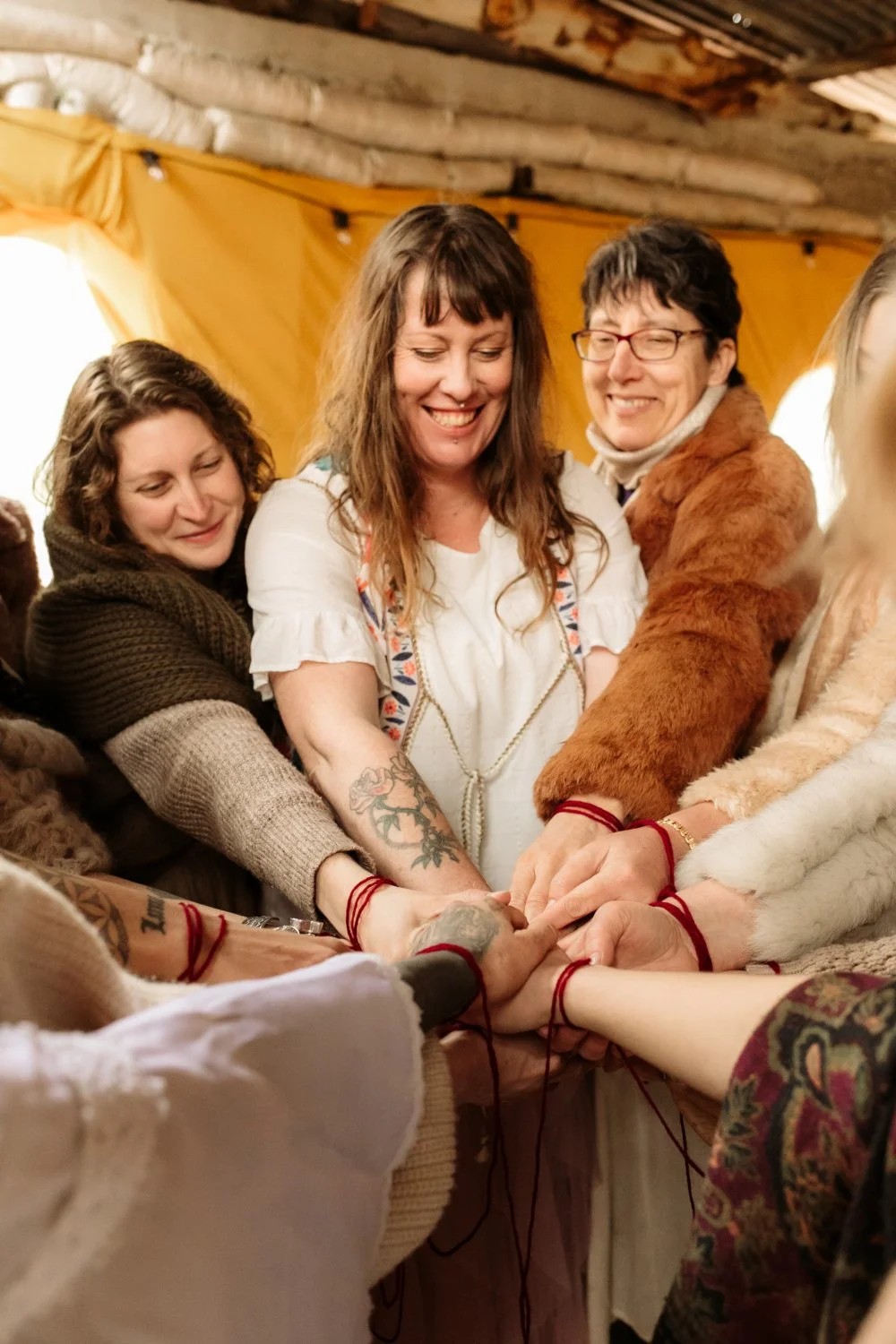
You’ll Explore Three Core Domains of Facilitation
Understand the five domains of facilitation and how most issues in group spaces arise when one of these is unclear. Begin to recognise what’s really happening in a room, rather than guessing or reacting in the moment.
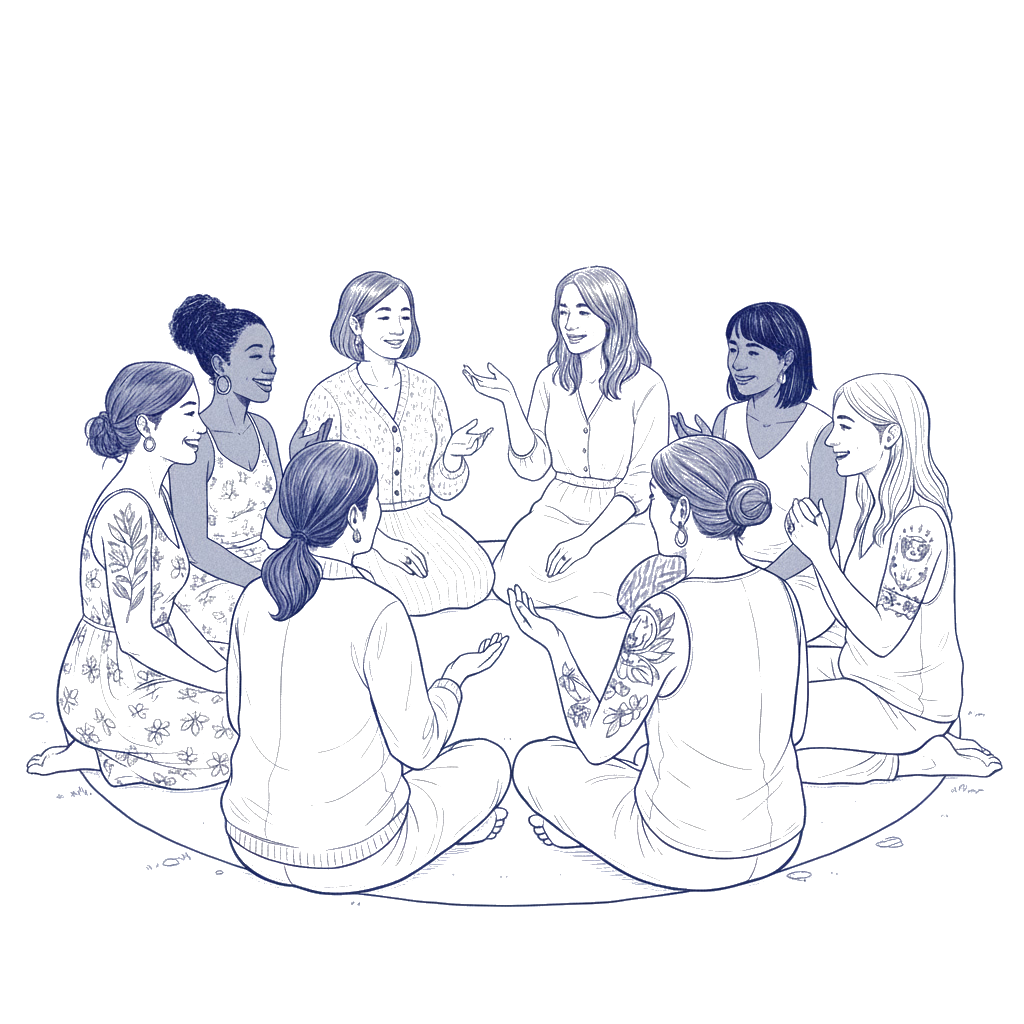
The Structure Beneath the Circle
Learn to see what is actually holding a Women’s Circle in place.
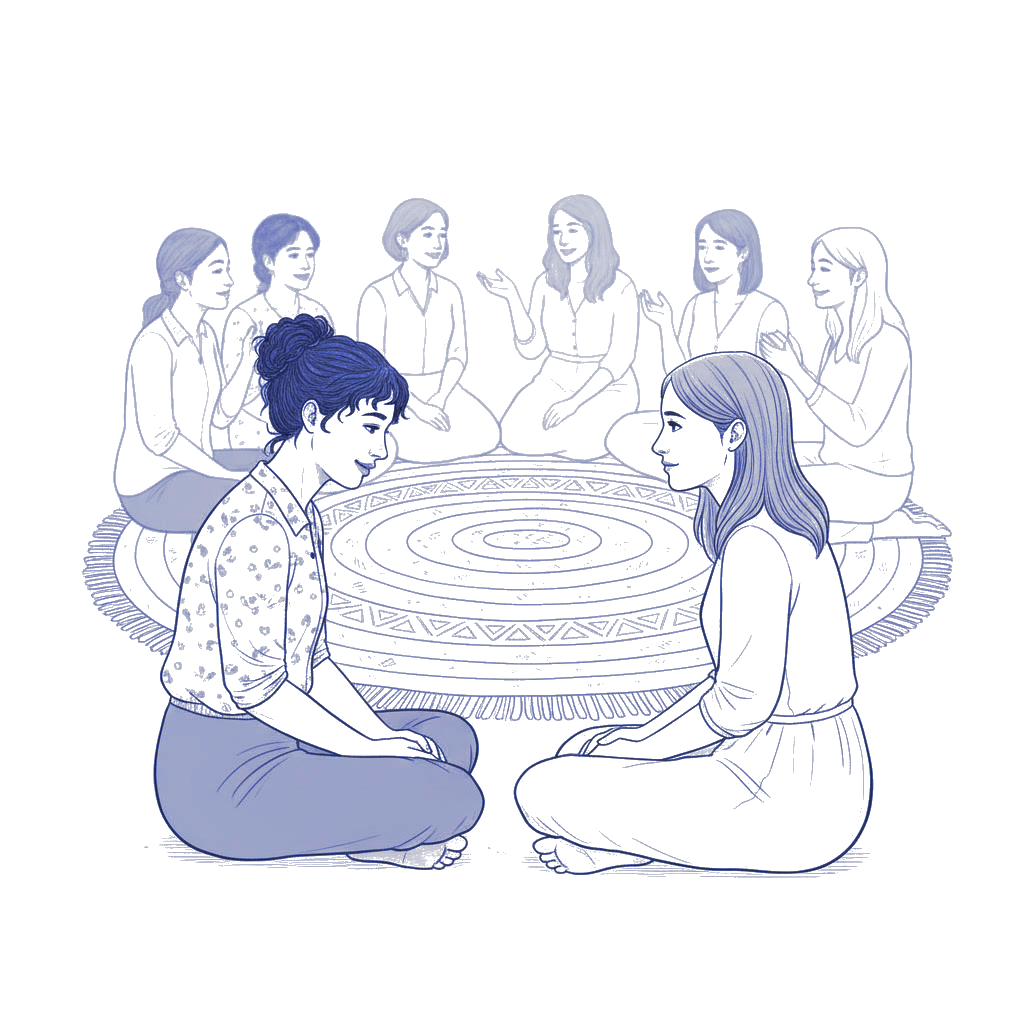
Learn the difference between directive language and invitational language, and why this matters for nervous systems, consent and inclusion. Understand how real choice is created in a space, and how it changes the depth and safety of what unfolds.
Choice, Not Instruction
Shift the way you guide participation so people can stay connected to themselves.
Holding the role, holding the room
Clarify your role as a facilitator without collapsing into the group or overextending yourself.
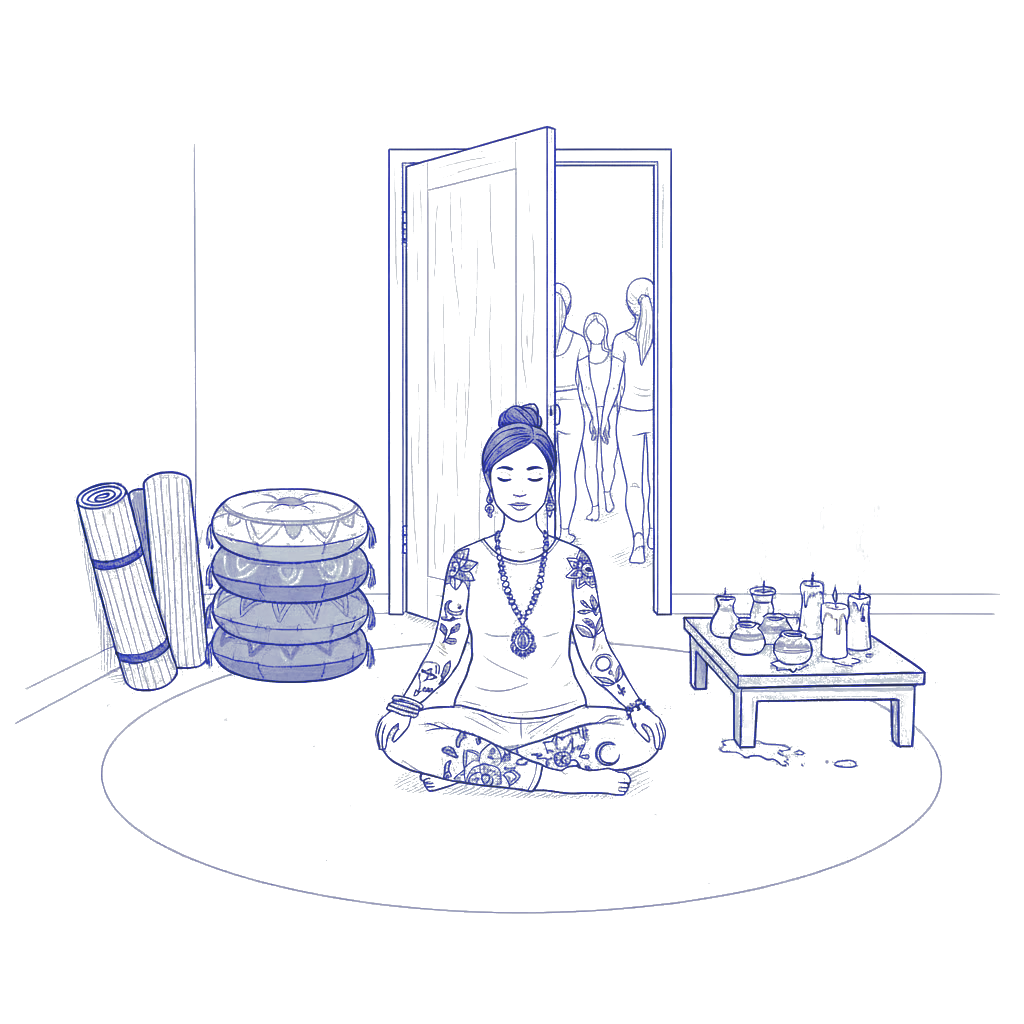
Recognise how authority and responsibility are already present in the space, whether named or not. Understand how your own nervous system, pacing and presence shape the entire room.
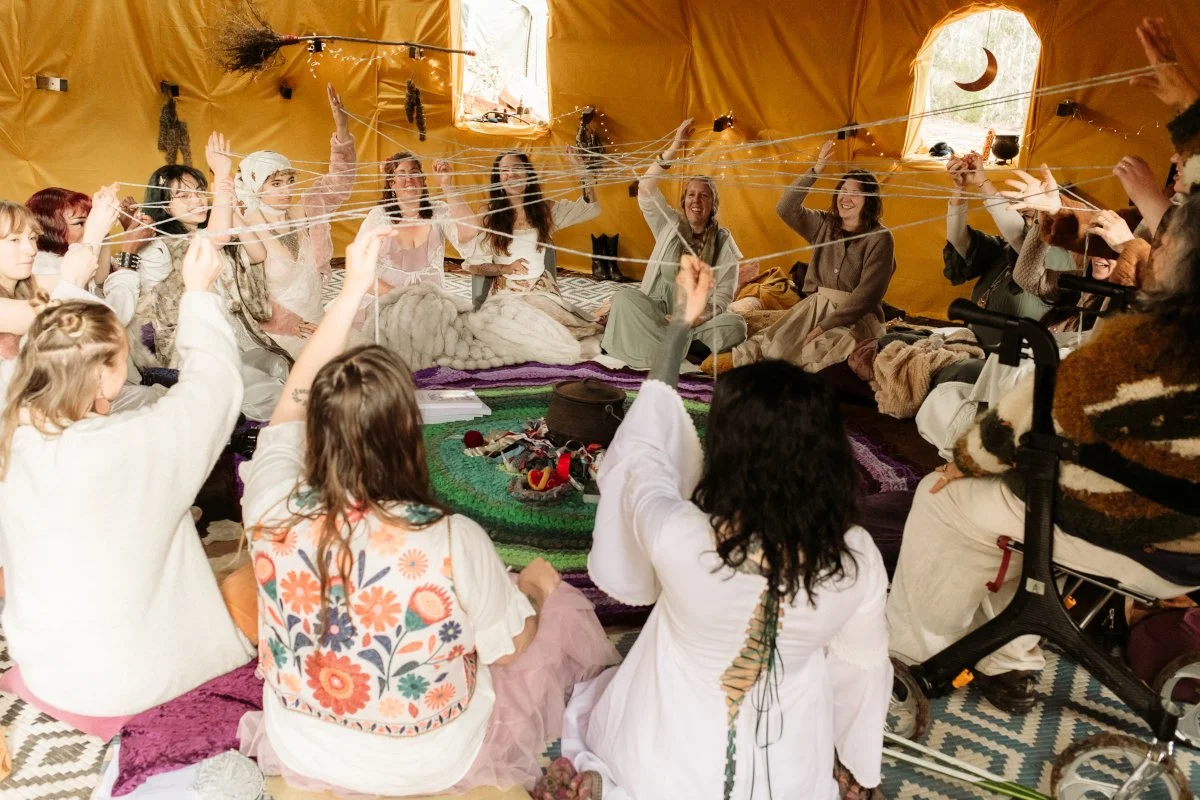
What you’ll walk away with
You’ll leave with:
a clearer understanding of what responsibility actually means in women’s spaces
a way of recognising what your space can hold, and where its limits are
language for the patterns that create instability, exhaustion and quiet harm
a steadier sense of your role in the room, without overextending or disappearing
a felt understanding of how structure supports safety, choice and trust
insight into whether this work is asking for deeper formation

For the Woman Who...
Feels drawn to hold Women’s Circles, retreats or teaching spaces, even if she hasn’t fully begun
Or has already started facilitating, and can sense there is something deeper to learn
Cares about doing no harm, including the kind that isn’t immediately visible
Feels the weight of responsibility, even when everything appears to be going well
Is no longer willing to rely on instinct alone
Wants her work to be steady, ethical and able to continue over time
Knows this is not casual work, and doesn’t want to treat it as such
If you recognise yourself here, this conversation is for you.
Monday 4th May
7pm (AEST Sydney timezone)
Live on Zoom
Replay available for 14 days only

Meet Your Guide
I’m hollie wildëthorn, psychotherapist, educator and founder of the institute for self crafting.
For more than two decades i’ve worked in women’s circles, retreats, long-form group programs and clinical spaces. I’ve seen what happens when structure is present. And what happens when it isn’t.
My perceptions of this field have come as much from standing at the centre of the room, as from witnessing what unfolds afterwards. The debriefs. The exhaustion facilitators cannot name. The women who leave spaces unsettled and unsure why.
Again and again, the issue has not been lack of care. It has been lack of training in facilitation itself.
Circlecraft emerged from that recognition. I teach it because I have watched the cost of its absence.
This work brings together depth psychology, trauma-responsive practice, supervision culture and lived experience in women’s gathering spaces. It treats facilitation as a discipline that can be learned, practised and refined over time.