

Free Masterclass
Sustainable, Ethical Women’s Business Practice
The architecture most women were never taught.
For women offering work in the world - circles, retreats, services, creative or therapeutic spaces - who want that work to become financially steady, structurally sound and able to support their life.
This is a structured look at what actually makes women’s work sustainable.
Not only the care, skill or depth you bring, but the business architecture that allows it to be seen, understood and properly resourced.
What This Training Is About
If you’re offering work in the world; circles, retreats, services, creative or therapeutic spaces… or standing at the point where you know this work wants to become something real…
This training introduces the discipline most modality trainings leave out:
how to design offers that match your actual capacity
how to price in a way that properly accounts for your time, labour and responsibility
how to position your work so the right women can recognise its value
and how to build a structure that doesn’t quietly drain you behind the scenes
Because sustainability is part of ethical practice.
When business structure is unclear, women undercharge, overgive and struggle to fill their spaces. And when the work isn’t resourced properly, it becomes difficult to continue, no matter how meaningful it is.
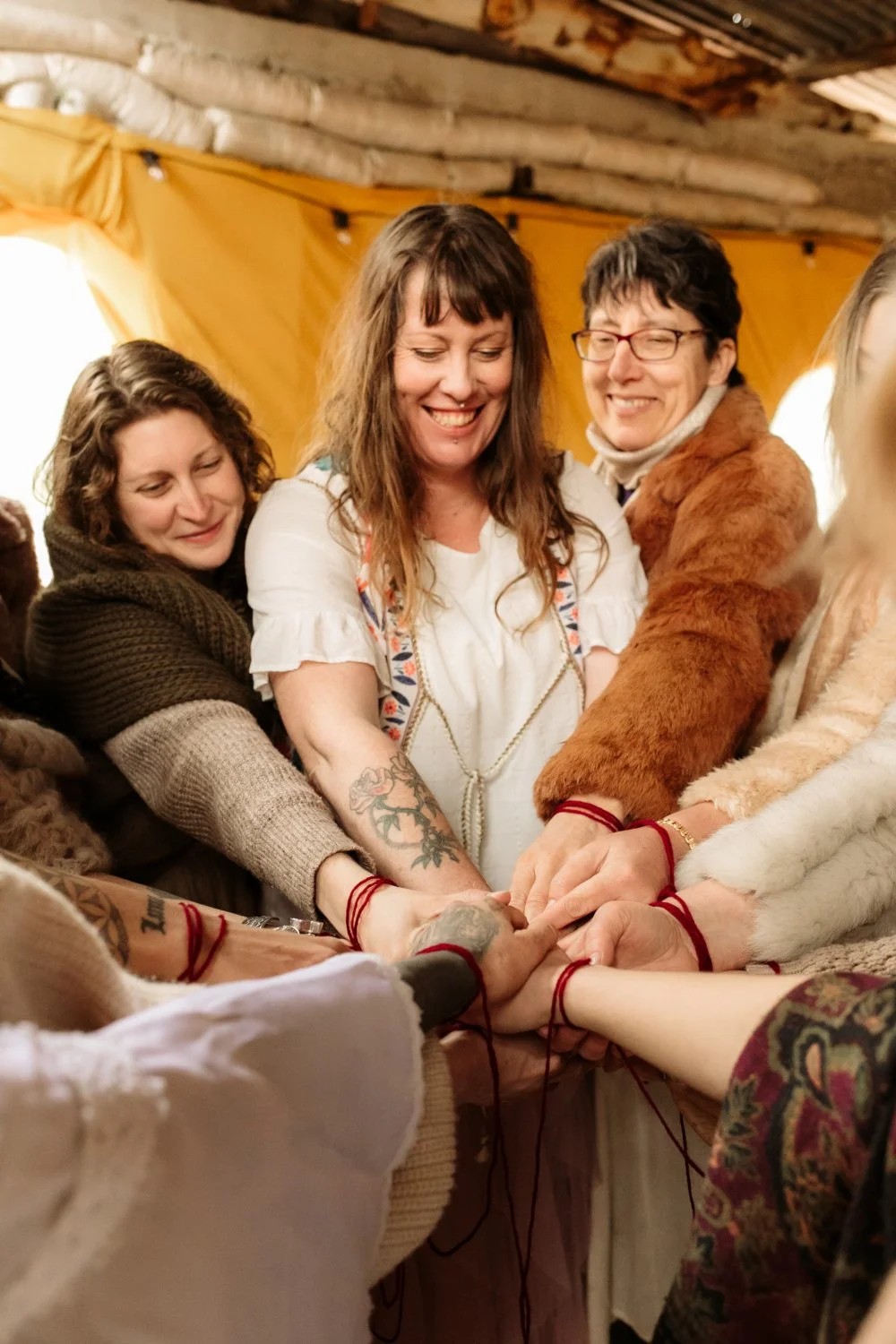
You’ll Explore Three Core Domains of Business
Understand what changes when your work moves from an idea into something people can say yes to. Recognise how unclear offers lead to confusion, low enrolment and constant rewriting.
Offer Design and Positioning
Clarify what you’re actually offering so it can be recognised and chosen.
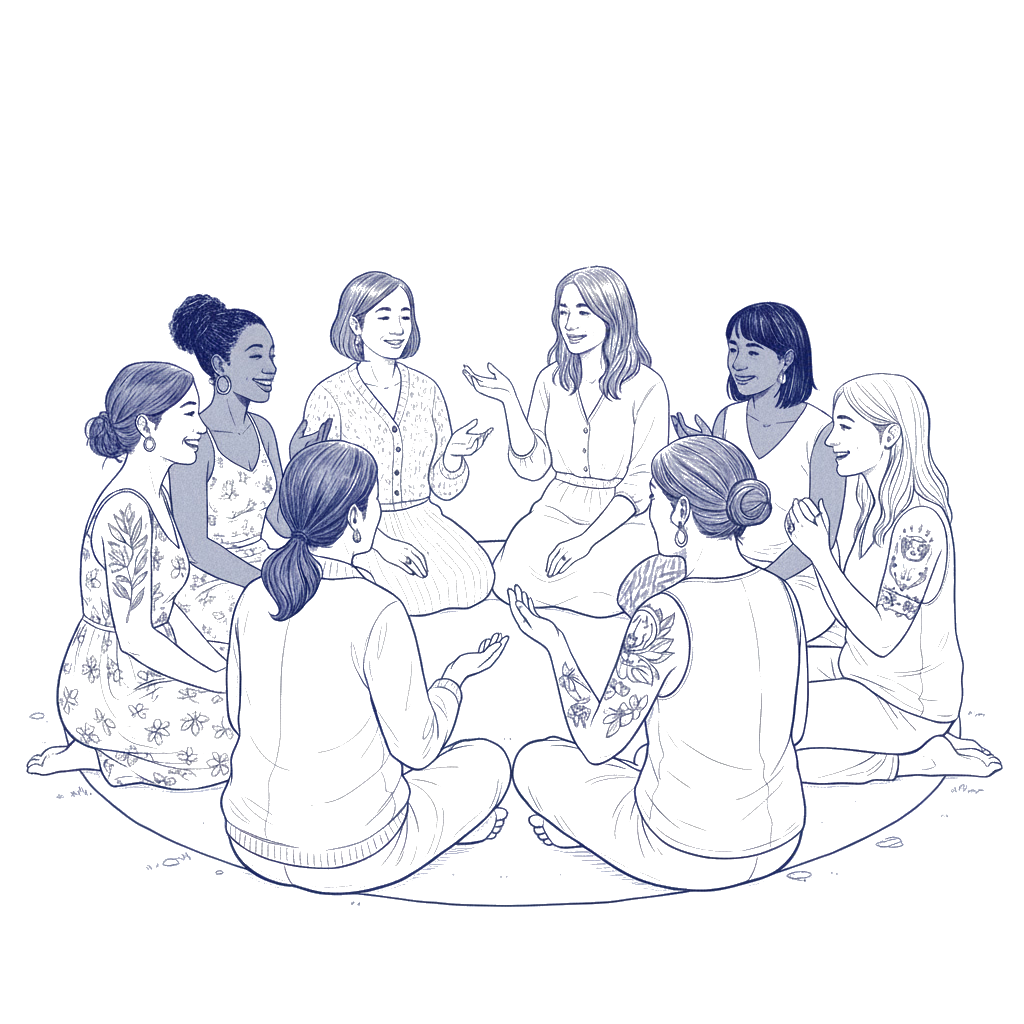
Understand what you’re being paid for; time, preparation, delivery, responsibility and where the edges of that sit. Learn how clear structure supports pricing that feels steady rather than uncertain.
Scope, Pricing and Structure
Know the real scope of your work before you try to price or sell it.
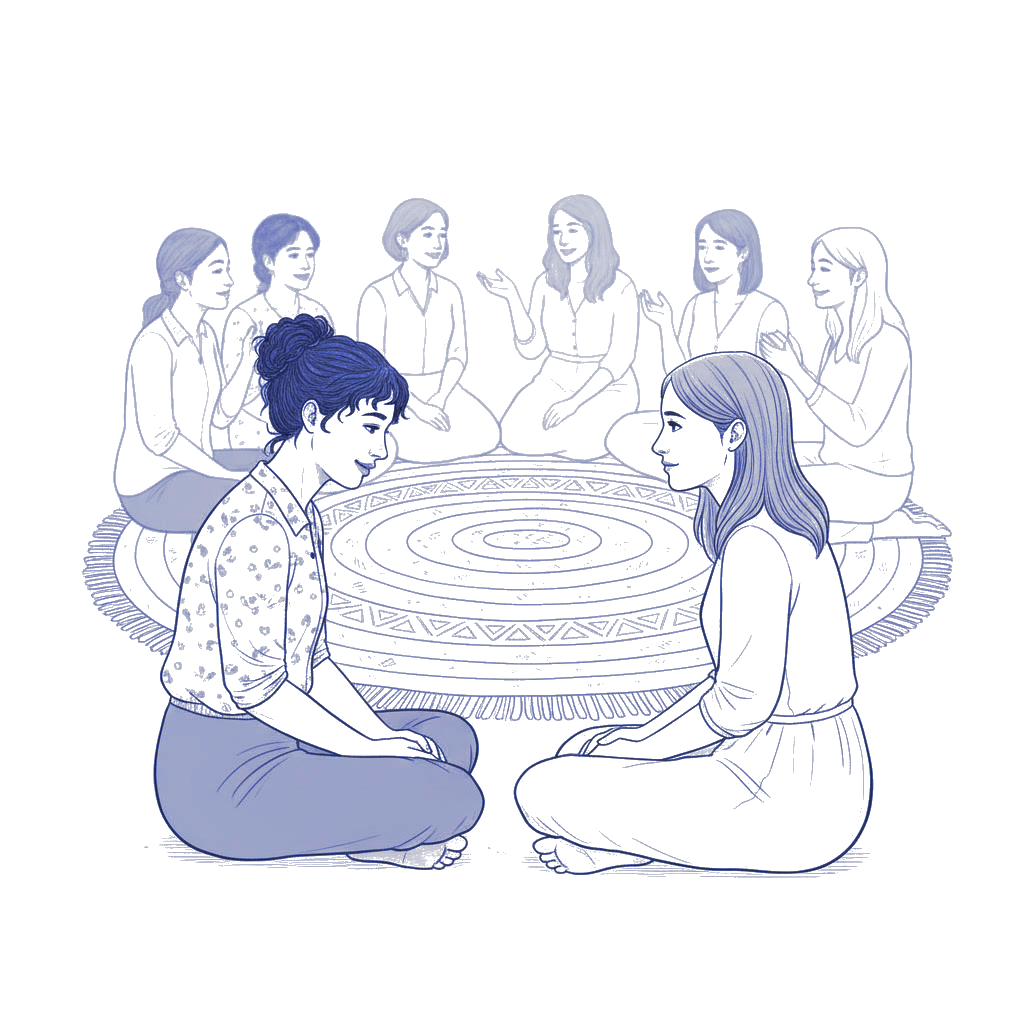
Understand how designing work around what you can actually sustain simplifies marketing, delivery and income. Begin building a business that supports your life, not one that quietly drains it.
Capacity and Sustainability
See how mismatched capacity leads to overgiving, under-earning and exhaustion.
What you’ll walk away with
You’ll leave with:
a grounded understanding of what ethical, sustainable business practice actually requires
language for the patterns that lead to undercharging, overgiving and inconsistent income
a clearer sense of what your work can realistically support financially
insight into where your business structure may need strengthening or refinement
clarity that simplifies your offers, pricing and communication
a more stable foundation for building work that can continue over time
and a clearer understanding of why some offers fill consistently while others struggle, and what changes that

For the Woman Who...
Feels drawn to bring her work into the world, but isn’t sure how to make it viable yet
or, Has already started offering and can feel the strain behind the scenes
Cares about doing this work ethically, including how money, pricing and exchange are handled
Feels the weight of trying to make it work - even when things look fine from the outside
Is tired of guessing with pricing, second-guessing her offers or hoping things will fill
Wants her work to be steady, properly resourced and able to support her life
Knows this isn’t casual work, and doesn’t want to build it in a casual way
If you recognise yourself here, this conversation is for you.
Wednesday 27th May
7pm (AEST Sydney timezone)
Live on Zoom
Replay available for 14 days only

Meet Your Guide
I’m hollie wildëthorn, psychotherapist, educator and founder of the institute for self crafting.
For more than two decades i’ve worked in women’s circles, retreats, long-form group programs and clinical spaces. I’ve seen what happens when structure is present. And what happens when it isn’t.
My perceptions of this field have come as much from standing at the centre of the room, as from witnessing what unfolds afterwards. The debriefs. The exhaustion facilitators cannot name. The women who leave spaces unsettled and unsure why.
Again and again, the issue has not been lack of care. It has been lack of training in facilitation itself.
Circlecraft emerged from that recognition. I teach it because I have watched the cost of its absence.
This work brings together depth psychology, trauma-responsive practice, supervision culture and lived experience in women’s gathering spaces. It treats facilitation as a discipline that can be learned, practised and refined over time.